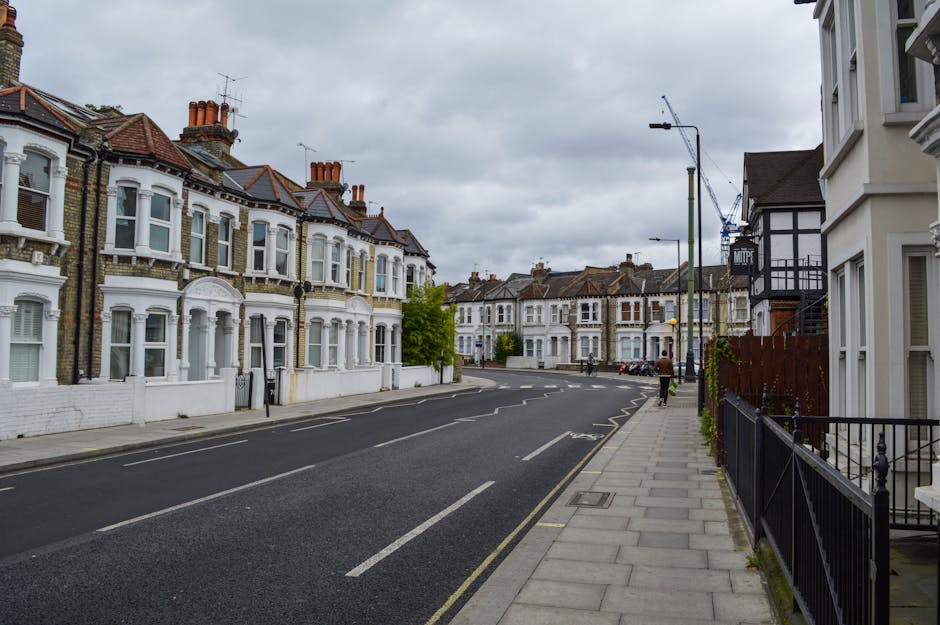
New Barnet House Removals for Victorian Terraces: A Practical Guide for a Smooth Move
Moving out of a Victorian terrace in New Barnet can feel a bit like a puzzle with heavy furniture attached. Narrow staircases, shared front paths, low doorframes, awkward loft rooms, and parking that disappears just when you need it most, they all turn a simple move into something more demanding. That is exactly why New Barnet house removals for Victorian terraces need a different level of planning, patience, and local know-how.
This guide explains what makes these homes tricky, how a well-run removal works in practice, and what you can do to keep the day calm. You will also find a checklist, a comparison table, common mistakes to avoid, and a few grounded tips from real-world moving situations. If you are weighing up help, it may also be useful to look at home moves and house removalists to understand the kind of support available.
Truth be told, Victorian terraces are lovely to live in and slightly unforgiving to move out of. But with the right approach, the whole thing becomes much more manageable.
Table of Contents
- Why this kind of move matters
- How the removal process works
- Key benefits and practical advantages
- Who this is for and when it makes sense
- Step-by-step guidance
- Expert tips for better results
- Common mistakes to avoid
- Tools, resources and recommendations
- Law, compliance and best practice
- Options and comparison
- Case study or real-world example
- Practical checklist
- Conclusion
- Frequently asked questions
Why New Barnet House Removals for Victorian Terraces Matters
Victorian terraces are not difficult because they are old. They are difficult because they were built for a completely different pace of life. Doors can be narrow, hallways compact, and stairs steep enough to make even a modest wardrobe feel like a small climbing expedition. Add in period features, tighter room layouts, and on-street parking pressure around New Barnet, and the move needs proper sequencing.
That matters for three reasons. First, it protects your belongings. Scraped walls, chipped corners, and bent bed frames usually happen when large items are rushed through awkward spaces. Second, it protects your time. A badly planned move can eat half a day in avoidable shuffling. Third, it protects your energy. Nobody wants to be wrestling a sofa down a twisting staircase at 4pm while the kettle is still packed somewhere in a box marked "misc".
There is also the local angle. New Barnet's residential streets can be busy, and access can vary from one terrace to the next. A team that understands the practical realities of London house moving, especially in period properties, will usually plan around access, loading points, stair height, and the amount of hand-carrying required. That is the difference between a move that feels controlled and one that feels like everybody is improvising.
Key takeaway: Victorian terraces reward careful preparation. The move is rarely about brute strength; it is about access, sequence, protection, and timing.
How New Barnet House Removals for Victorian Terraces Works
A good Victorian terrace removal usually starts before moving day, not on it. The process often begins with an assessment of what needs to go, how much volume there is, and whether the property has awkward access points. In practice, that means checking stair width, ceiling height, front garden gates, shared entrances, and where the vehicle can safely load.
Next comes preparation. Items are grouped by room, fragile pieces are wrapped, and large furniture is either dismantled or protected with blankets and padding. If you have items that need specialised handling, such as appliances or bulky sofas, it helps to plan them separately rather than leaving them to the last minute. For example, appliance moves can be simpler if you look at fridge and appliance removal ahead of time, while old seating may need mattress and sofa disposal after the move.
On the day, the loading order matters. In a terrace, you usually want larger and heavier items out first, before the smaller boxes start cluttering the hallway. That sounds obvious, but it is amazing how quickly a neat move becomes chaotic when boxes block the landing and the big wardrobe has to wait.
There is also the vehicle side of things. Depending on how much you are moving, you might need a compact man and van setup, a larger moving truck, or even removal truck hire if the volume is substantial. The right choice depends on access, load size, and how many trips you want to avoid. Simple enough in theory, but worth thinking through properly.
Key Benefits and Practical Advantages
The biggest benefit of using a removal service designed for terraces is reduced friction. Not just physical friction, though there is plenty of that too. It is the mental friction that really gets people. When you know the stairs are tight, the parking is awkward, and the big mirror needs extra care, a structured team can take a lot of pressure off.
- Safer handling: Furniture is moved with more control, which lowers the chance of damage.
- Less stress on the day: A clear loading plan prevents bottlenecks in the hallway or on the pavement.
- Better time use: Fewer wasted trips, fewer pauses, and less standing around wondering what goes next.
- Improved protection of the property: Walls, bannisters, and doorframes are easier to keep intact with proper wrapping and lifting technique.
- More suitable vehicle choice: The move can be matched to the actual volume, not guessed.
There is also a quieter advantage: confidence. Once the difficult pieces are under control, everything else feels lighter. Even packing seems less terrible. Almost.
If you are still in the planning stage, a service such as packing and unpacking services can save a surprising amount of time, especially in a home where every room has an odd corner or a built-in cupboard that seems to eat cardboard boxes for breakfast.
Who This Is For and When It Makes Sense
This type of removal is ideal for homeowners, landlords, and tenants moving from a Victorian terrace in New Barnet or into one. It is also useful if you are downsizing, combining households, or moving between similar period homes where access is likely to be similar on both ends.
It makes particular sense if:
- you have a steep staircase or narrow landing;
- your furniture includes heavy, awkward, or antique items;
- you have very limited parking or rear access;
- the property has multiple floors, loft storage, or basement rooms;
- you want a more organised alternative to a last-minute self-move;
- you need help with items that are not staying with the property.
It is also sensible if you simply do not want friends and family carrying a wardrobe through a hallway that already looks too small for it. Let's be honest, that sort of favour tends to come with a lot of nervous laughter and one person saying, "This is fine," while absolutely nothing is fine.
For smaller moves or one-off item transport, a flexible man with van option may be enough. For larger family moves, a full domestic removal approach is usually more comfortable. If you want to compare the scope of services, home moves is a sensible place to start.
Step-by-Step Guidance
Here is a practical way to approach a New Barnet terrace move without letting it run away from you.
- Walk through the property early. Identify tight turns, low beams, narrow doors, and anything that may need dismantling.
- Measure the awkward pieces. Sofas, wardrobes, beds, fridge freezers, and headboards are often the troublemakers.
- Declutter before packing. If you do not need it, do not move it. That one step can save time and money.
- Book the right vehicle and crew. Match the vehicle size to access and volume, not just the price tag.
- Prepare protection materials. Think blankets, tape, labels, and floor protection where needed.
- Pack room by room. Group contents logically so unloading is not a guessing game.
- Keep essentials separate. Kettle, chargers, toiletries, documents, keys, a torch, maybe tea bags. The little things matter.
- Load in a sensible sequence. Large items first, then boxes, then fragile or quick-access items last.
- Check both addresses. Parking, entry codes, stair access, and any time restrictions should all be confirmed.
- Do a final sweep. Look in lofts, cupboards, under beds, and behind doors. You would be surprised what gets missed.
If you are trying to keep spending under control, it is worth reviewing pricing and quotes early rather than assuming the cheapest option will actually be the cheapest once extras are added. Sometimes the quote that looks a little higher is the one that avoids two extra trips and an afternoon of regret.
Expert Tips for Better Results
Small decisions make a big difference in terrace removals. In our experience, the following habits help most:
- Protect corners before the big items move. A single blanket and some tape can save a lot of paintwork.
- Label boxes by room and priority. Not just "kitchen", but "kitchen - daily use" or "bedroom - first night".
- Keep a clear hallway. It sounds obvious, but hallways become storage zones very quickly.
- Disassemble early if possible. Beds, shelving, and flat-pack furniture are easier to handle in pieces.
- Prepare for parking pressure. In New Barnet, a few extra minutes of planning can prevent a lot of circling.
- Separate valuables and paperwork. Carry them yourself. Always.
One of the more useful habits is to create a "do not load yet" pile. That pile may include cleaning items, keys, phones, medications, and the snack box that somehow keeps every household going. It is a small thing, but it keeps the day moving.
If you have items you no longer want, consider planning them into the move rather than leaving them behind. A service like furniture pick up can help when you are clearing out surplus furniture, especially before downsizing or after replacing older pieces.
Common Mistakes to Avoid
Most moving problems in Victorian terraces are predictable. That is the annoying part. The good news is that they are also avoidable.
- Underestimating access: A sofa may fit in the van and still fail at the staircase.
- Packing too late: If the boxes are not ready, the moving day becomes a packing day with a van waiting outside.
- Ignoring parking logistics: A good load plan means little if the vehicle cannot stop close enough.
- Leaving dismantling until the last minute: This usually creates noise, stress, and a few missing screws.
- Mixing fragile and heavy items: Not ideal. Not at all.
- Forgetting about disposal: Old mattresses, appliances, and waste need a separate plan.
- Assuming everything will fit through the same route: It often will not. Side entrances, garden access, and front steps matter.
Another common trap is trying to save money by booking the wrong size service. A very small van might seem economical, but if you need three runs and a lot of lifting, the real cost can rise fast. Better to be realistic up front. Nobody enjoys paying twice for the same stress.
Tools, Resources and Recommendations
You do not need a warehouse of gear to move well, but a few basics make the process smoother.
- Strong boxes: Use consistent sizes where possible so stacking is easier.
- Packing paper and wrapping: Ideal for glassware, ornaments, and delicate finishes.
- Blankets and pads: Helpful for wooden furniture, mirrors, and drawers.
- Labels and marker pens: Keep the system simple and readable.
- Basic toolkit: Screws, Allen keys, tape, and a screwdriver are always useful.
- Floor protection: Handy for hallways, especially when moving in damp weather or after rain.
For many households, the smartest combination is not one single service but a small bundle of practical support. For example, a removal team plus packing and unpacking services can reduce the chaos significantly, while moving truck capacity can be matched more accurately to the property size.
If the move includes waste, damaged items, or unwanted clutter, it helps to know in advance what can be separated for disposal and what should stay with the move. The pages on recycling and sustainability and what can go in a skip are useful for understanding common options and limits.
Law, Compliance, Standards, or Best Practice
For a house move, the main compliance concerns are usually safety, insurance, responsible handling of goods, and lawful disposal of unwanted items. You do not need to turn the whole thing into a legal seminar, but a few principles are worth keeping in mind.
First, removals should be carried out with reasonable care to avoid injury and property damage. Good lifting technique, proper loading, and secure transport are basic industry expectations. Second, if you are disposing of waste, it should be handled in line with accepted UK waste practice. That matters especially for items like old appliances, mattresses, and anything potentially hazardous. Third, insurance and safety arrangements should be clear before move day, not guessed after something has been scratched.
If you want reassurance on process and handling, look for a provider that is transparent about insurance and safety and has documented procedures such as health and safety policy. Those details may sound dry, but they are the bits that protect you when a heavy item meets an awkward stair turn. No one wants that kind of surprise.
Payment handling is another sensible check. Clear terms around deposits, timings, and accepted payment methods help avoid confusion. For peace of mind, it is worth reviewing payment and security and the site's terms and conditions before booking.
Options, Methods, or Comparison Table
Not every terrace move needs the same setup. The right choice depends on how much you are moving, how awkward the access is, and whether you want packing help too. Here is a simple comparison.
| Option | Best for | Strengths | Limitations |
|---|---|---|---|
| Man and van | Small to medium moves, quick turnaround, single loads | Flexible, practical, usually well suited to tighter access | May be less ideal for larger households or multiple bulky items |
| Full house removal team | Family homes, heavier furniture, multi-room moves | More hands, better sequencing, less strain on the client | Higher cost than a very small service, though often better value overall |
| Truck hire with support | Larger loads or moves with significant furniture volume | Good capacity and efficient transport | Needs more detailed planning for access and loading |
| Packing plus removal | Busy households, fragile items, people short on time | Reduces stress and improves organisation | Requires more coordination ahead of the move |
In a Victorian terrace, the best option is rarely the one that sounds simplest on paper. It is the one that fits the property. That is the whole game, really.
Case Study or Real-World Example
Here is a realistic example. A couple moving from a two-storey Victorian terrace in New Barnet had a mix of furniture: a bed frame that needed dismantling, a large sofa, several bookcases, a fridge freezer, and more boxes than they expected once the cupboards were cleared. The staircase was narrow, the front path was tight, and parking was limited to a short loading window.
Instead of trying to do everything at once, they split the work into stages. Fragile items were packed first. Furniture was grouped by room. The bed frame came apart the night before, not on moving morning. The large items were loaded first, with blankets protecting the corners of the bannister and the doorframes. A second look through the loft and under the stairs caught a few forgotten boxes, which saved a return trip. Handy, that.
What made the move manageable was not speed. It was order. The team knew which items needed the most space, which route to use, and how to keep the hallway clear. The result was a move that felt controlled, with less wear and tear on the property and a much calmer start in the new place.
That is the pattern you want to repeat. Not perfect, just organised enough to avoid silly problems.
Practical Checklist
Use this before moving day. Keep it simple and tick things off as you go.
- Measure doors, stairways, and any awkward furniture pieces.
- Confirm parking and loading access at both addresses.
- Book the right service level for your load size.
- Declutter and separate donations, waste, and keep items.
- Pack fragile items with extra protection.
- Label boxes by room and priority.
- Dismantle beds, shelves, or bulky furniture in advance where possible.
- Set aside documents, keys, chargers, and valuables.
- Prepare a first-night essentials bag.
- Check insurance, payment terms, and timing expectations.
- Walk through the property one last time before the vehicle leaves.
Expert summary: Victorian terrace removals go best when you respect the layout. Measure first, pack with purpose, and choose the vehicle and team that match the house rather than the other way round.
For readers comparing service options, book online can be a straightforward next step, while contact us is useful if you need to talk through access, volume, or timing before you decide. If you want to understand the business behind the service, about us is also worth a look.
Conclusion
New Barnet house removals for Victorian terraces are all about careful planning, sensible vehicle choice, and a realistic view of the property itself. These homes have character, but they also have quirks. The staircase may be tight, the hallway may be narrow, and the parking may be a bit of a headache. None of that is a problem if you prepare properly.
The best moves are the ones where every part has a place: the packing, the loading order, the route through the house, the disposal of anything unwanted, and the calm finish at the other end. Once you treat the terrace as the main design factor, everything gets easier. Not easy, exactly. Just easier. And that counts.
Get a free quote today and see how much you can save.
Frequently Asked Questions
What makes Victorian terrace removals in New Barnet more difficult than other house moves?
Usually it is the combination of narrow staircases, compact hallways, limited parking, and older room layouts. The house may be beautiful, but it was not designed around modern furniture dimensions.
Do I need a full removals team or just a man and van service?
It depends on the size of your move. A man and van service can work well for smaller loads or shorter moves, while larger homes, bulky furniture, and multi-room moves often benefit from a fuller team.
How far in advance should I book a removal for a Victorian terrace?
As early as you reasonably can, especially if access is tricky or you need packing support. Early booking helps with planning and gives more time to sort parking, dismantling, and any disposal needs.
What items are hardest to move in a Victorian terrace?
Wardrobes, sofas, fridge freezers, beds, and large bookcases are often the toughest. Anything bulky, heavy, or awkward to turn on stairs needs extra attention.
Can a removal team help with packing too?
Yes, if you arrange it in advance. Packing support can be especially helpful when the property has lots of awkward corners, fragile items, or a lot of mixed contents.
What should I do about old furniture or appliances I do not want to take?
Separate them early and plan disposal before moving day. Depending on the item, furniture pick up, appliance removal, or other waste handling options may be more practical than trying to move everything.
How do I protect walls and bannisters in a terrace move?
Use padding, blankets, and slow, controlled lifting. Good movers will also plan the route carefully so that large items do not scrape through tight corners.
Is parking usually a problem in New Barnet?
It can be, depending on the street and time of day. That is why access planning matters so much. Even a great removal can become awkward if the vehicle cannot load nearby.
What should I keep with me on moving day?
Keep valuables, documents, keys, medication, phones, chargers, and a first-night essentials bag with you. If you need it quickly, do not bury it in a box.
How do I compare removal quotes fairly?
Look beyond the headline price. Check what is included, how much labour is covered, whether packing or dismantling is extra, and whether the vehicle size suits your load. A slightly higher quote can be better value if it avoids hidden extras.
Do I need to worry about insurance?
Yes, at least enough to confirm it is in place and appropriate for the job. It is sensible to review a provider's insurance and safety information before booking so you know how goods are handled.
What is the best way to prepare a Victorian terrace for moving day?
Declutter, measure awkward items, clear the hallway, dismantle what you can, and label everything clearly. Small preparation steps save a lot of time once the lifting starts.
Can I move everything in one trip?
Sometimes, yes, but that depends on volume, vehicle size, and access. A proper assessment helps avoid overloading the day with extra runs or rushed decisions.