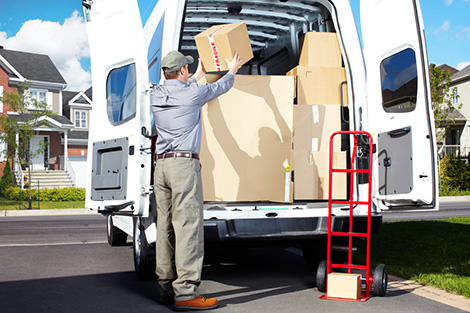
Fridge and Appliance Removal: Safe, Sustainable, and Smart
Removing an old refrigerator or large household appliance is more than a matter of hauling metal to the curb. Fridge and appliance removal involves logistical planning, safety considerations, environmental responsibility, and compliance with local regulations. This article explains the key aspects of appliance disposal and pickup services, offers practical insights into recycling and donation options, and outlines what to expect from professional appliance removal teams.
Why Proper Fridge Removal Is Important
Older refrigerators contain hazardous materials like refrigerants and insulating foams that can harm the environment and human health if not handled correctly. Improper disposal can lead to ozone depletion and contribute to greenhouse gas emissions. A responsible fridge removal service ensures refrigerants are recovered and appliances are recycled or disposed of according to law.
Key reasons to choose professional appliance removal:
- Safe handling of heavy, bulky equipment to prevent injury and property damage.
- Proper recovery of refrigerants and electronic components to avoid environmental harm.
- Compliance with municipal and national disposal regulations.
- Convenience and time savings with scheduled pickup and same-day options.
What Professional Fridge and Appliance Removal Services Do
Qualified removal teams typically provide a package of services tailored to appliances of all sizes. This includes refrigerators, freezers, ovens, washers and dryers, dishwashers, and more. Below are common tasks handled by service providers.
On-site assessment and preparation
Trained technicians perform a quick assessment to determine the best method for removal. They will disconnect power, drain fluids if necessary, and evaluate any tight spaces or obstacles. This step reduces the risk of damage to floors, walls, and doorways.
Refrigerant recovery and certification
Fridges contain refrigerants such as R-134a or similar compounds that must be captured with specialized equipment. Certified technicians use EPA-approved recovery units to extract refrigerant safely before transporting the appliance to a recycling facility.
Transportation and disposal
After safe extraction of hazardous materials, appliances are loaded onto appropriate vehicles. Many companies deliver units to recycling centers where metals, plastics, and components are separated and processed. Responsible disposal minimizes landfill waste and recovers valuable materials.
Recycling, Donation, and Resale Options
Not all old appliances are ready for the dump. There are several environmentally and socially beneficial alternatives to throwing away a working unit.
- Donation: If the appliance still works, consider donating to nonprofits, shelters, or community organizations. Donations extend the useful life of appliances and support households in need.
- Resale: Some refurbished appliances are accepted by resale shops and certified refurbishers. This can offset the cost of replacement for the owner and provide a lower-cost option for buyers.
- Recycling: Appliances contain metals and plastics that can be reclaimed. Refrigerant and electronic waste must be handled first, then recyclable components are separated at a facility.
Costs and Pricing Considerations
Costs for fridge and appliance removal depend on multiple factors. Average price points vary by region, but key determinants include size and weight, accessibility, whether the unit is dismantled on-site, and whether hazardous materials need special handling.
Typical cost drivers:
- Size and type of appliance (e.g., a commercial-grade refrigerator costs more to remove than a small household fridge).
- Accessibility challenges such as narrow staircases or tight corners.
- Distance to recycling centers or disposal facilities.
- Additional services like appliance disconnect, labor-intensive removal, or same-day scheduling.
Many reputable services provide transparent quotes and explain recycling fees and disposal charges. Choosing a company that discloses where the appliance will go is part of making an informed decision.
Safety and Liability
Lifting and moving large appliances can cause serious injury if done improperly. Professional teams follow safety protocols, use proper equipment like lifting straps and appliance dollies, and secure the load for transport. Insurance coverage and liability protection should be confirmed before work begins.
Be aware of the following safety concerns:
- Back and musculoskeletal injuries from heavy lifting.
- Damage to floors, door frames, and walls during removal.
- Exposure to refrigerants and chemicals if a unit is punctured or opened improperly.
Choosing the Right Removal Service
Selecting a reliable fridge and appliance removal company involves more than price shopping. Consider these criteria to ensure a smooth, safe, and responsible process.
- Licensing and certification: Ensure technicians are certified for refrigerant recovery and that the company complies with local disposal laws.
- Environmentally responsible practices: Choose a provider that prioritizes recycling and certified disposal.
- Transparent pricing: Look for clear quotes that include labor, disposal fees, and any extra charges.
- Insurance and liability protection: Verify that the company carries insurance for property damage and worker injury.
- Reputation and reviews: Read customer feedback on punctuality, care, and communication.
Regulations and Local Requirements
Municipalities often set specific rules for disposing of appliances. This can include mandatory refrigerant recovery, restricted curbside pickup, or designated drop-off sites. Failure to comply with regulations can result in fines or environmental penalties. Checking local requirements and asking removal services how they comply is essential.
Examples of regulatory considerations
- Mandatory certification for refrigerant handling.
- Prohibitions on placing appliances at the curb without prior arrangement.
- Special permits for disposing of commercial refrigeration units.
How to Prepare Appliances for Removal
Preparation can speed the process and reduce fees. Recommended steps include emptying refrigerators of food, defrosting and drying freezers, and unplugging units well before the scheduled removal. Secure doors and drawers to prevent shifting during transport.
Additional tips: Label items that need careful handling, remove shelving if requested, and clear a path to the exit. These small actions can prevent delays and reduce labor time.
Emerging Trends in Appliance Disposal
The appliance removal industry is evolving. Increased focus on circular economy principles means more materials are recovered and reused. Manufacturers are also designing appliances for easier disassembly and component recovery. Look for sustainable removal services that partner with certified recyclers and refurbishers to extend product lifecycles.
Technology is playing a role too: some services offer online booking, real-time tracking of pickup, and digital receipts that detail the disposal or recycling destination. These innovations enhance transparency and customer confidence.
Conclusion
Fridge and appliance removal is a specialized service that demands attention to safety, environmental responsibility, and regulatory compliance. Whether you are replacing a unit, removing a broken appliance, or clearing out a property, choosing the right service ensures safe handling, proper refrigerant recovery, and responsible recycling or donation. Prioritize certified technicians, transparent pricing, and sustainable practices to reduce environmental impact and protect your home during removal.
By selecting a qualified appliance removal provider, you can turn an inconvenient chore into a streamlined, eco-conscious process.